
佇まいを継承する連なり
Inheriting the appearance of the temple to the future
「鷲巣の走馬棟 Kaleidoscopic Temple in Washi-no-su」
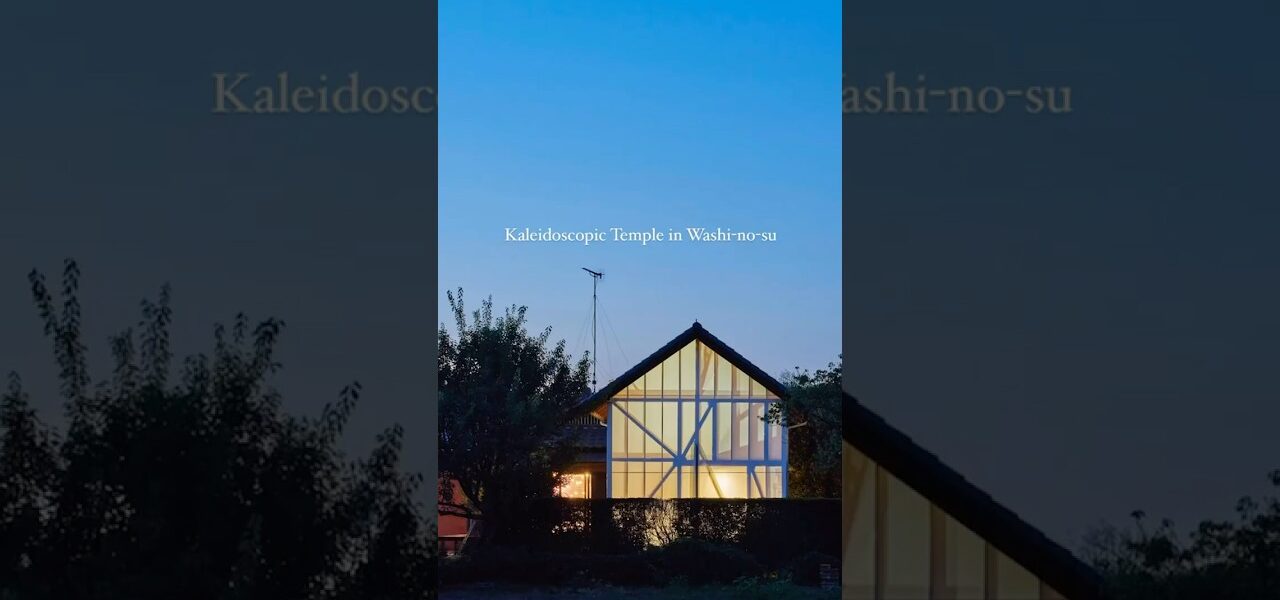
徳川家康公の正室・築山殿の生家である関口家が、江戸時代初期に開いた禅寺。寺は明治時代に一度焼失し、本堂をはじめ、客殿、庫裏などが土手に沿って増築を重ね、90年代に現在の配置になった。老朽化が進む一方、時代とともに寺院のあり方、家族構成等も変わり、使い勝手を考慮した更新の時期を迎えている。21世紀に入り、増築を繰り返したこれまでとは一転、3期に分けて減築しながら新しく生まれ変わることとなった。長い歴史の中で減築に転じたその分岐点の象徴として、夜になると、増築の末端の庫裏の“ハナレ”が行燈のように夕闇に浮かび上がる。公私が混在する境内の動線を整理し、これまで閉じていて眺めることのなかった長閑な裏の土手の風景を取り込む抜けのあるプランや、玄関から連続する土間空間を中心に、平屋でありながら緩急のある立体的な空間をつくり、既存建物の佇まいをそのままに生まれ変わった。土手沿いに瓦屋根が連なる田畑越しの風景の記憶を残したまま、これからも進化しながらそこにあり続けることを願っている。
・
Inheriting the appearance of the temple to the future
Renovation of a Zen temple built in the early 17th century. In the 21st century, the temple was rebuilt with a reduction of the building’s size. As a symbol of this turning point in its long history, the “hanare” (a detached room), at the end of the addition, floats like an “andon” (a traditional paper‐framed lamp) in the evening darkness.
The temple was reborn with the appearance of the existing building as it is, by organizing flow lines in the precincts where public and private activities are mixed, by taking in the scenery of the quiet bank at the back of itself, which until now had been closed off and could not be viewed, and by creating a varied space in a one-story by having “doma” (a space for underfoot use. In Japan, customary to remove shoes indoors) leads from the entranceway.